Blog
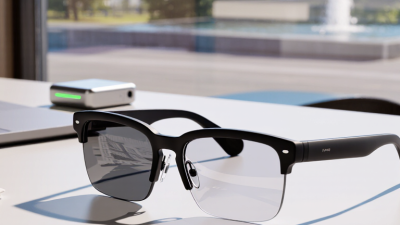
How to Choose Electronic Tint Smart Glasses?
Choosing Electronic Tint Smart Glasses is not simply a matter of selecting the darkest lens. The right pair should match your eyes, commute, work setting, and comfort expectations. In practice, bright sidewalks, reflective water, and dim offices expose weaknesses that showroom lighting hides. A useful evaluation begins with tint response, optical clarity, battery behavior, and frame fit. These details affect whether the glasses remain helpful after several hours.
Reliable products should explain how the lenses change shade, how quickly they respond, and what happens when power runs low. Look for independent test data, clear warranty terms, and manufacturer specifications rather than impressive promises. UV protection should be documented, not assumed from a darker appearance. If prescription lenses are needed, confirm compatibility with a qualified optical professional. Small nose pads can leave marks. Heavier frames may slide during walking. These issues are easy to overlook.
This guide examines lens technology, control methods, battery life, durability, privacy considerations, and everyday value. It also compares automatic sensors with manual controls, because convenience is not universal. Some users prefer gradual transitions, while others need predictable shade changes near windows or outdoors. Personal testing matters. A technically advanced pair may still feel distracting, fragile, or awkward. No single model fits every face. Marketing language can mislead. Checking return policies and testing comfort under real lighting support a more reliable purchase decision.
Read more »
 By:Amelia
- October 14, 2026
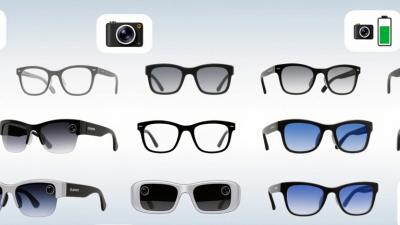
Top 10 AI Camera Smart Glasses for Global Buyers?
AI Camera Smart Glasses are moving from novelty displays toward practical, camera-enabled assistants. Grand View Research estimates that the global smart glasses market reached approximately USD 1.9 billion in 2023, with strong growth expected through 2030. Meanwhile, IDC’s wearable device research identifies smart glasses as an increasingly important category within emerging head-worn technology. These figures are encouraging, but market estimates vary widely because vendors use different definitions.
The hardware is becoming easier to imagine in daily life. A lightweight frame can capture a short video, translate a street sign, or answer a voice request while both hands remain free. Mark Zuckerberg, Meta founder and CEO, described glasses as “the ideal form factor for AI” during Meta’s product discussions. His view reflects the category’s central promise: useful intelligence should feel natural, not intrusive.
This guide compares ten leading products for global buyers. It examines camera resolution, audio quality, battery endurance, privacy controls, app compatibility, regional availability, and after-sales support. Real-world testing matters. A strong specification sheet cannot show how the glasses perform in bright sunlight, crowded streets, or a noisy airport. Nor does it reveal whether the frame feels comfortable after four hours.
The category still has weaknesses. Battery life remains limited, and AI features may depend on cloud access, language support, or local service restrictions. Buyers should also review consent requirements before recording others. This is not a perfect market yet. That makes careful comparison essential.
Read more »
 By:Isla
- October 8, 2026
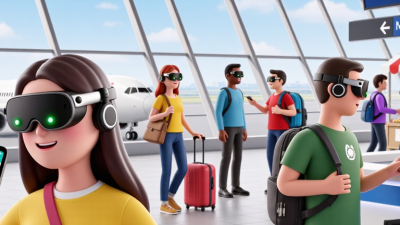
Top Real Time Translation Audio Glasses for Global Buyers
Global travel is becoming more connected, but language barriers still affect every airport gate, hotel desk, and street market. Real-Time Translation Audio Glasses aim to make those moments easier through discreet microphones, speakers, and artificial intelligence.
CSA Research found that 65% of consumers prefer content in their own language. Its study also reported that 40% would not purchase from websites using other languages. These figures show why instant translation matters for global buyers. However, translation quality depends on accents, background noise, internet access, and supported language pairs. The experience can still fail.
Grand View Research estimates that the global smart glasses market reached approximately USD 1.2 billion in 2023. It also expects strong growth through 2030. This expansion reflects rising interest in wearable computing, not guaranteed translation accuracy. Mark Zuckerberg, a leading wearable-AI industry figure, said, “Glasses are going to be the ideal form factor for AI.” His observation fits translation glasses, because users can keep their hands free while hearing a translated sentence through open-ear speakers.
That sounds practical.
Yet, buyers should examine microphone performance, battery duration, privacy controls, offline translation, and return policies. A crowded airport can expose weak noise filtering within seconds. Some models may translate menus well but struggle with fast conversations. Others may require a smartphone connection for essential features. This guide compares the leading Real-Time Translation Audio Glasses for Global Buyers, using product specifications, independent reports, and realistic travel scenarios. Claims deserve testing. Marketing language should not replace evidence.
Read more »
By:Isla
- October 8, 2026
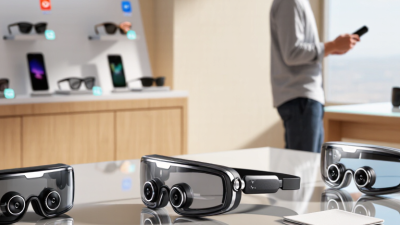
How to Choose Bluetooth Open Ear Audio Glasses in 2026?
Choosing Bluetooth Open-Ear Audio Glasses in 2026 requires more than comparing prices, frame colors, or advertised battery hours. These glasses place speakers beside your ears, so comfort, sound leakage, microphone quality, and safety controls matter during real use. A frame may feel light in a showroom but become uncomfortable after two hours of walking, commuting, or wearing prescription lenses. Small details matter. Check the nose pads, hinge tension, charging method, and control response.
Industry experience also offers useful context. John Gordon, formerly Bose’s vice president of Consumer Electronics, described the company’s Frames as “a new category of wearable audio.” That idea still shapes the market. Bluetooth Open-Ear Audio Glasses should complement daily routines, not pretend to replace headphones in every situation. Look for clear speech, balanced volume, stable Bluetooth connections, and reliable microphones in windy streets. Test them with podcasts before judging music performance.
Do not trust every specification equally. Battery claims often use ideal laboratory conditions. Real results change with call time, volume, navigation alerts, and weather. Open-ear sound also struggles in heavy traffic or crowded stations. That is not a minor weakness. It can affect convenience and awareness. Consider privacy, too; people nearby may hear louder audio in quiet rooms. A practical choice balances comfort, hearing awareness, durability, app support, and after-sales service. Sometimes the best model has fewer features. That feels disappointing. Yet fewer failures may matter more than futuristic extras.
Read more »
By:Isla
- October 8, 2026